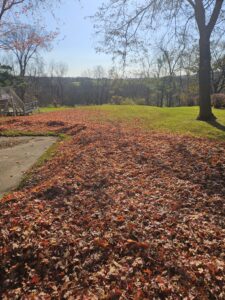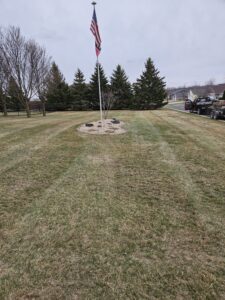
Moles
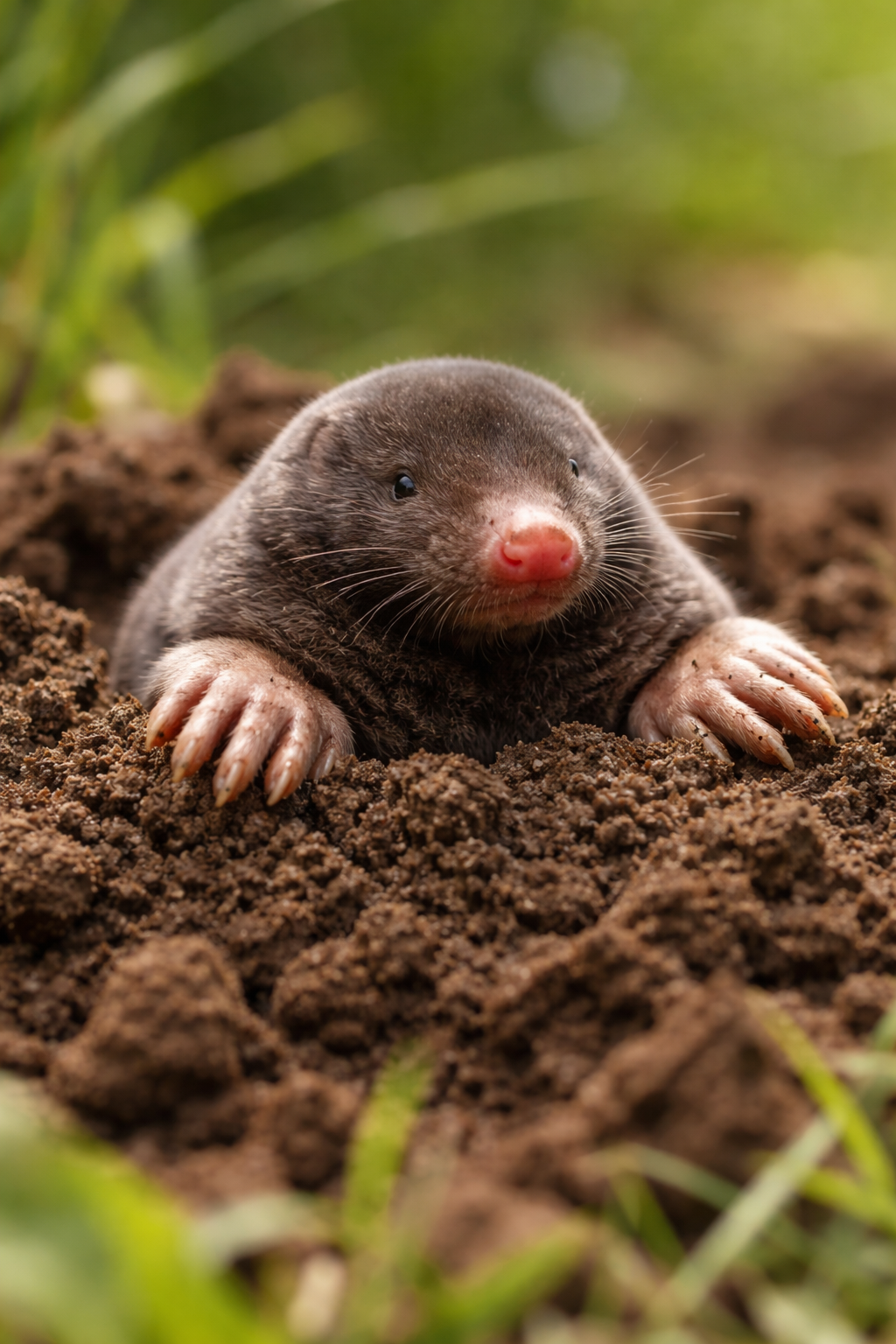
Moles - one major digging pest
Firstly, moles themselves don’t eat your grass — but they can absolutely damage your lawn while hunting for food.
Moles tunnel in your lawn searching for food:
• Grubs
• Earthworms
• Soil insects
As they dig, they create:
• Raised tunnels (surface ridges)
• Molehills (dirt piles)
• Soft, spongy turf
• Dead or lifted grass roots
Consequently, the grass dies because the roots get disturbed, not because moles are eating it.
Treatments for Moles
• Reduce food sources (grub control)
• Traps
• Worm-like baits
Voles
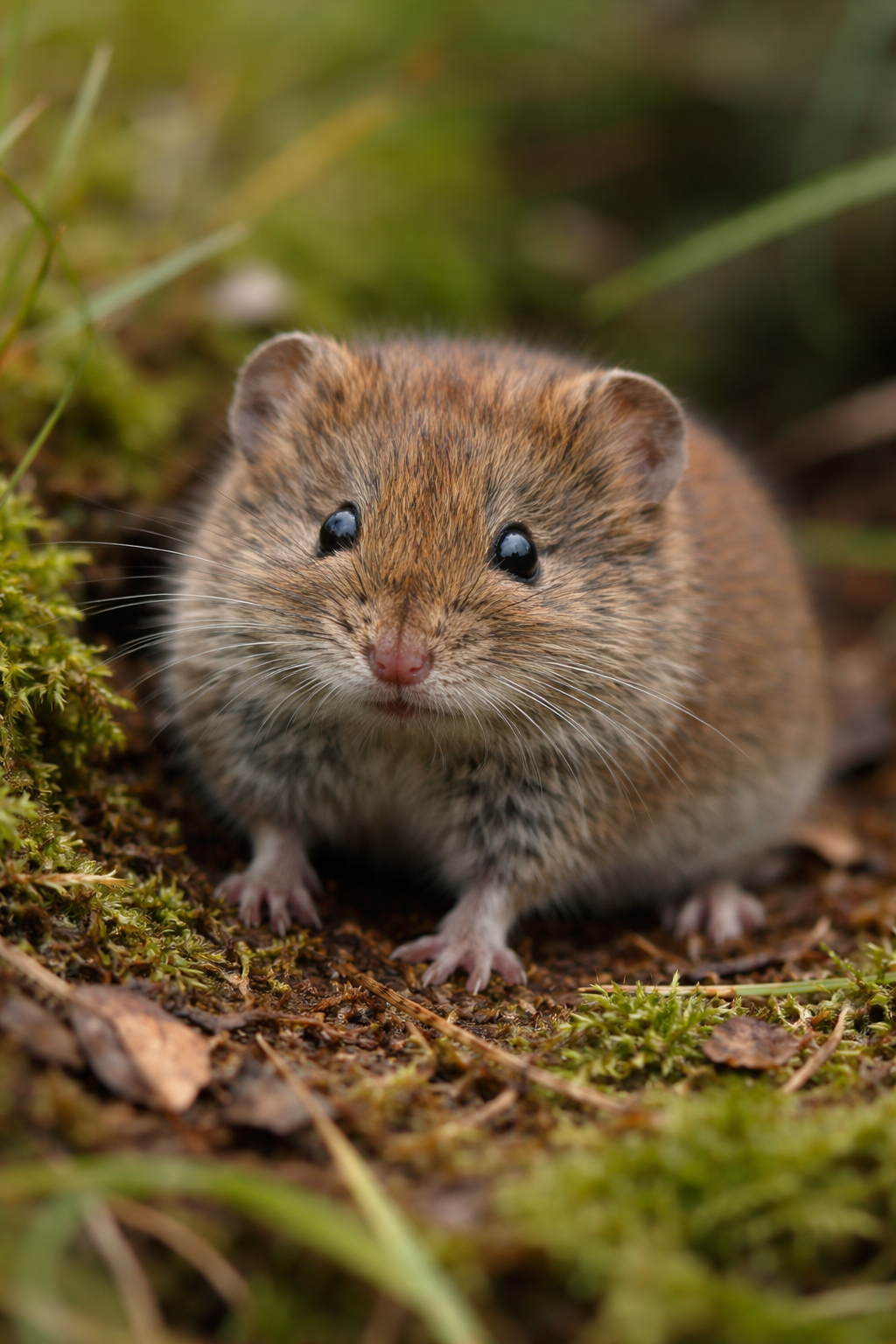
Voles - a mouse like pest
Signs You Have Voles
• Surface runways in grass
• Small burrow openings
• Chewed grass and plant stems
• Patchy or dying turf after snowmelt
Most Effective Vole Treatments
• Keep grass mowed
• Remove thick mulch near foundations
• Spring clean up of left over leaves, sticks, and other lawn debris
• Trim back dense ground cover
• Traps
• Fall leaf cleanup reduces areas for voles to hide; open areas make them more susceptible to predators
Lawn Recovery After Vole & Mole Damage
• Rake out dead grass or dethatch
• Overseed damaged areas
• Apply spring fertilizer
• Keep soil moist for germination
• Lightly roll or aerate matted runways
Most Minnesota lawns recover well by late spring. Vole damage often appears right after snowmelt.
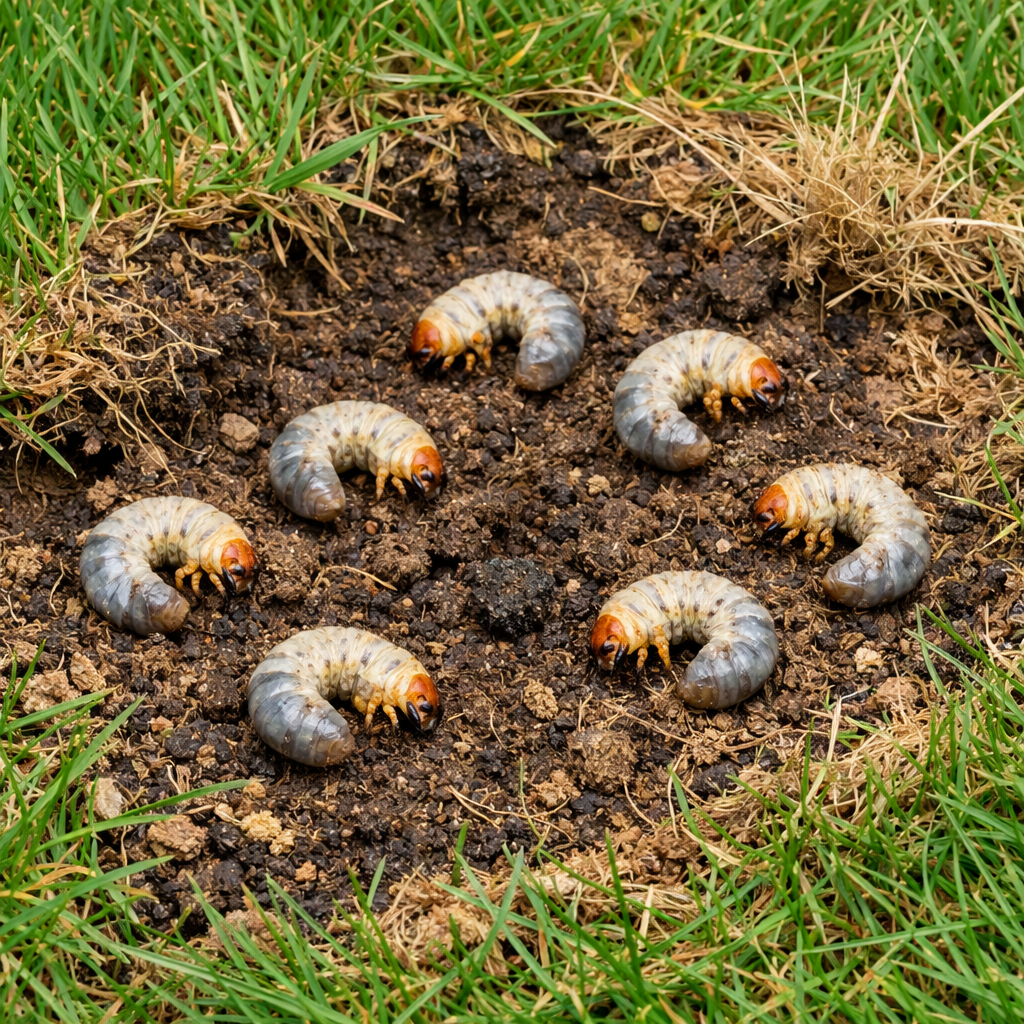
Grubs/Beatles
**Grubs / Beetles**
Grubs and beetles are common lawn pests in Minnesota, often occurring together. Understanding their relationship is key to protecting your turf from damage.
**What Are Grubs?**
Grubs are the larval stage of certain beetles. They live underground and feed on grass roots, causing lawn damage before they're even visible.
**Common Grub-Producing Beetles in Minnesota**
Japanese beetles, June bugs, and European chafers produce grubs.
**Signs of Grub Damage**
Look for brown patches that don’t green up, spongy turf lifting easily, and increased activity from birds, skunks, or raccoons.
**Why Grubs Are a Big Problem**
Grubs feed on roots, inhibiting grass from absorbing water and nutrients, which weakens lawns during heat or drought.
**Best Time to Treat in Minnesota**
Preventative treatments are ideal in late spring to early summer, while curative treatments are best in late summer to early fall when grubs are actively feeding.
**Prevention Tips**
To prevent grubs, maintain healthy turf with proper fertilization, monitor adult beetle activity, and avoid pheromone traps that attract more beetles.